
How crystalline technology works
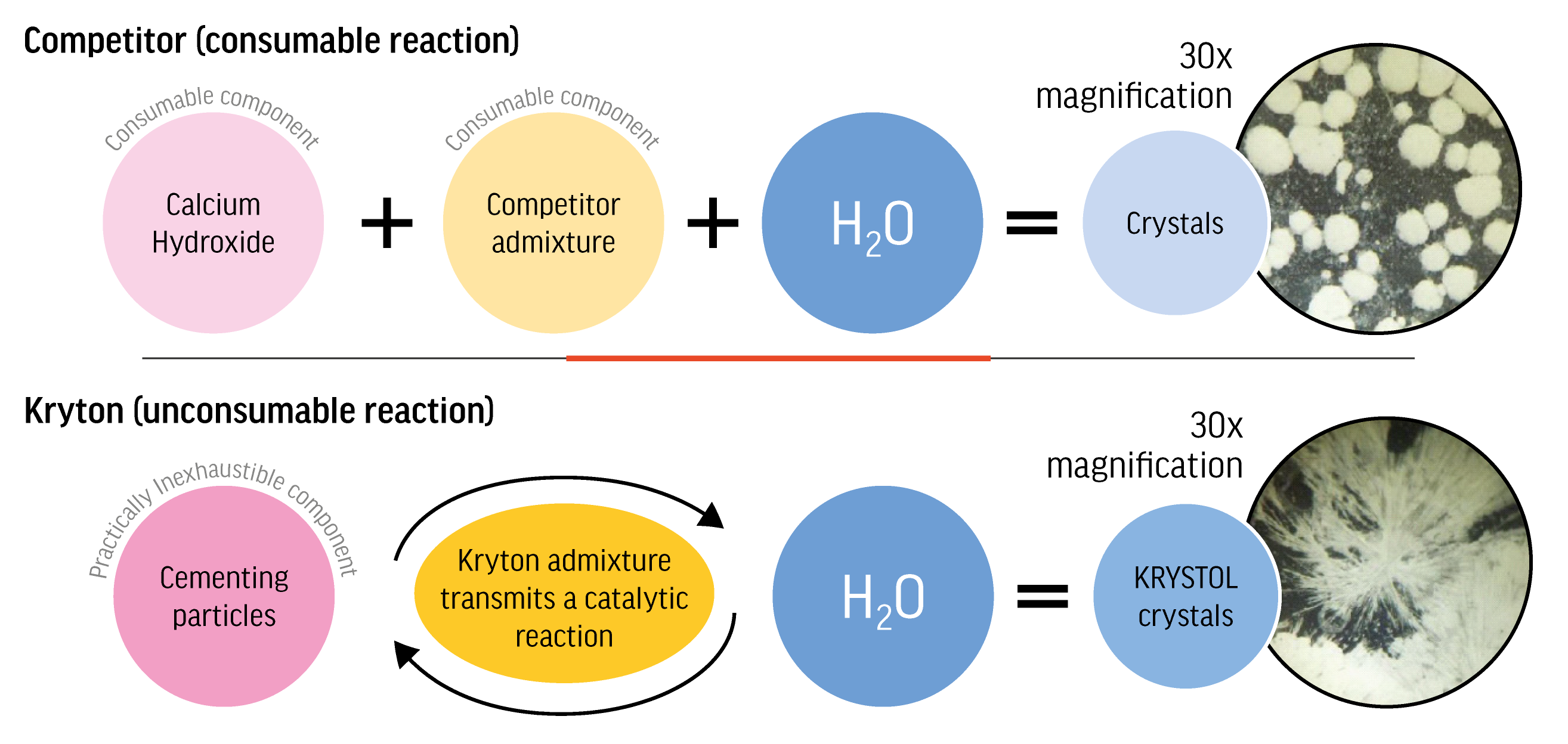
Kryton’s crystalline technology starts a catalytic reaction with water and unhydrated cement particles at a chemical level, forming insoluble needle-like crystals that penetrate capillary pores and micro-cracks in concrete. This process effectively seals pathways, preventing water and contaminants from entering and providing lasting waterproofing protection.
By preserving concrete’s permeability, crystalline technology helps reduce long-term maintenance costs and minimizes the need for carbon-intensive repairs or replacements throughout the structure’s lifespan.
Difference in chemical compositions
Any moisture that comes into contact with the concrete over its lifespan will trigger crystallization, providing lasting waterproofing protection.
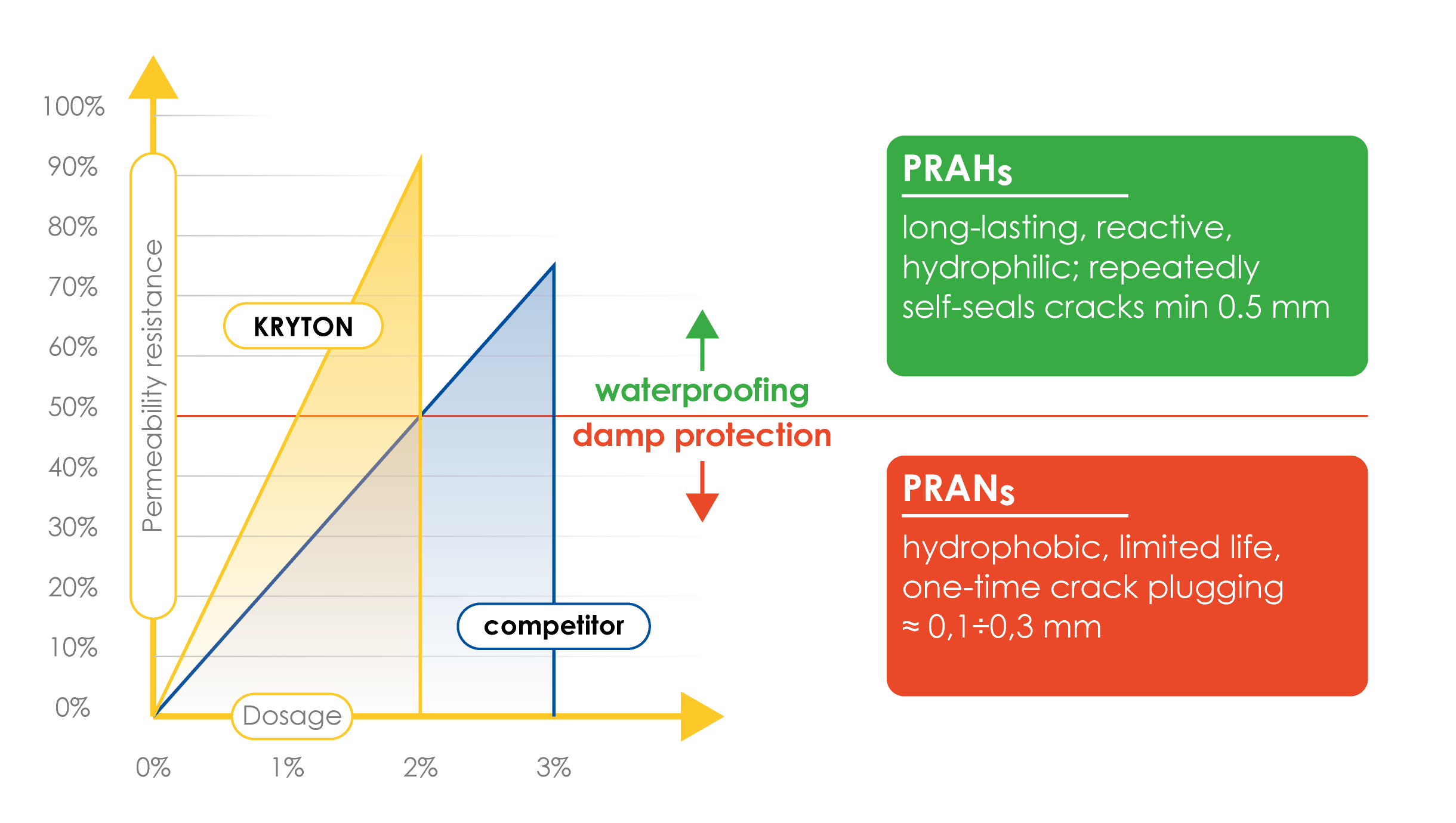
Permeability resistance
Permeability resistance capabilities
KRYTON technology has higher permeability resistance at the equivalent dosage.
than competitors on the global market
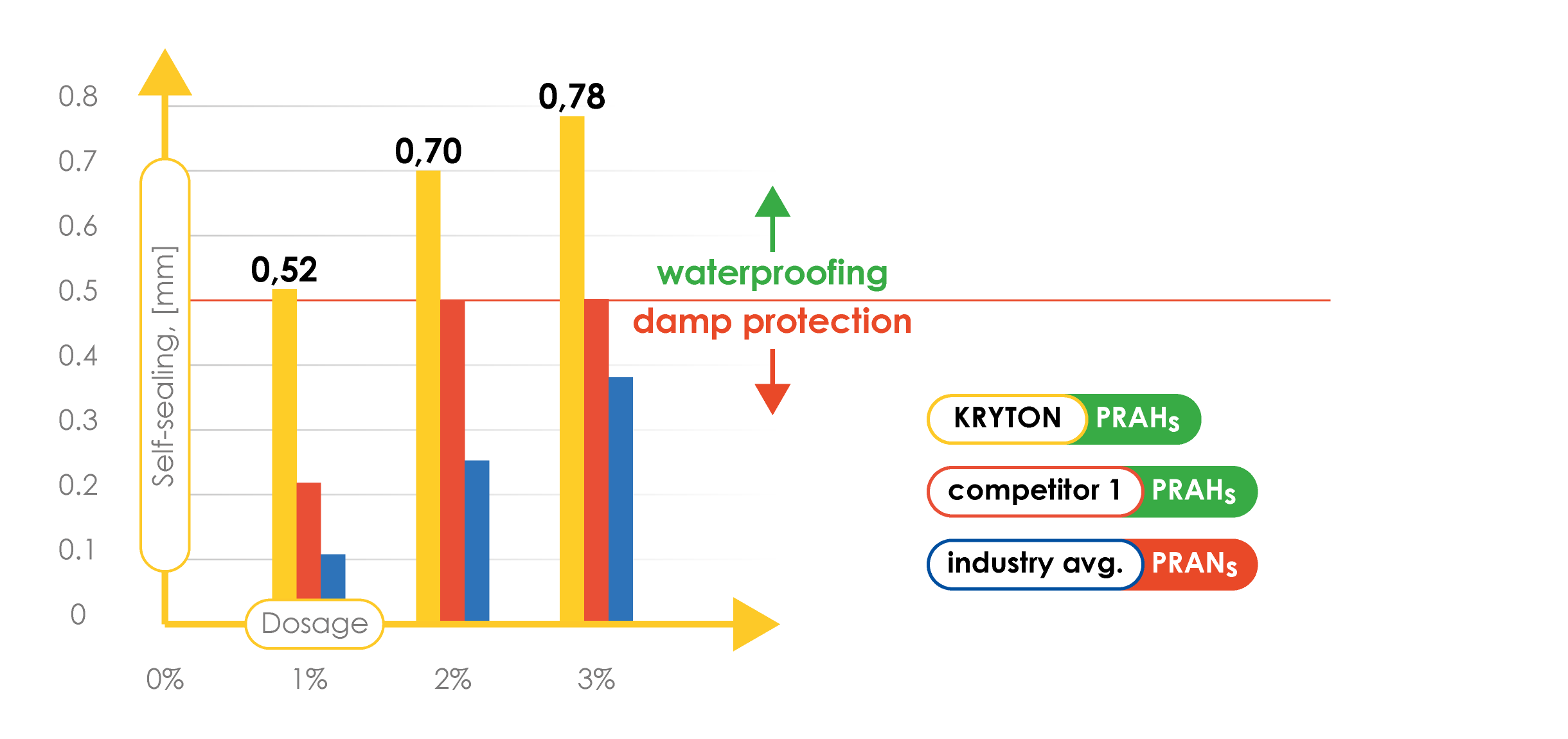
Self-sealing capability
Ability to seal cracks size up to
KRYTON technology has the ability to seal cracks at a much better extent.
than the next best admixture on the global market
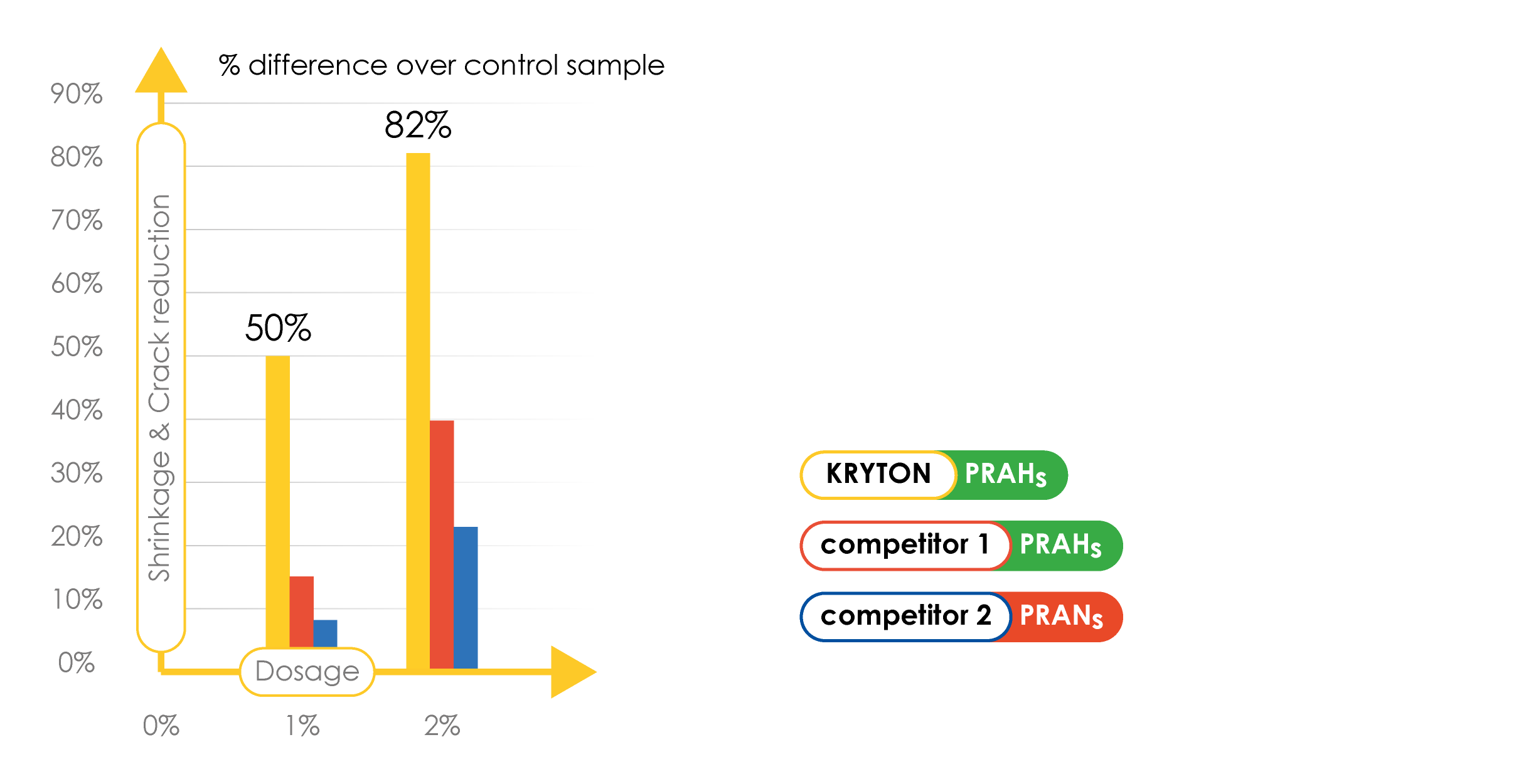
Shrinkage & crack reduction
Reduction in average crack size caused by plastic shrinkage
KRYTON technology reduces average crack size caused by plastic shrinkage more at a much better extent
than competitors on the global market
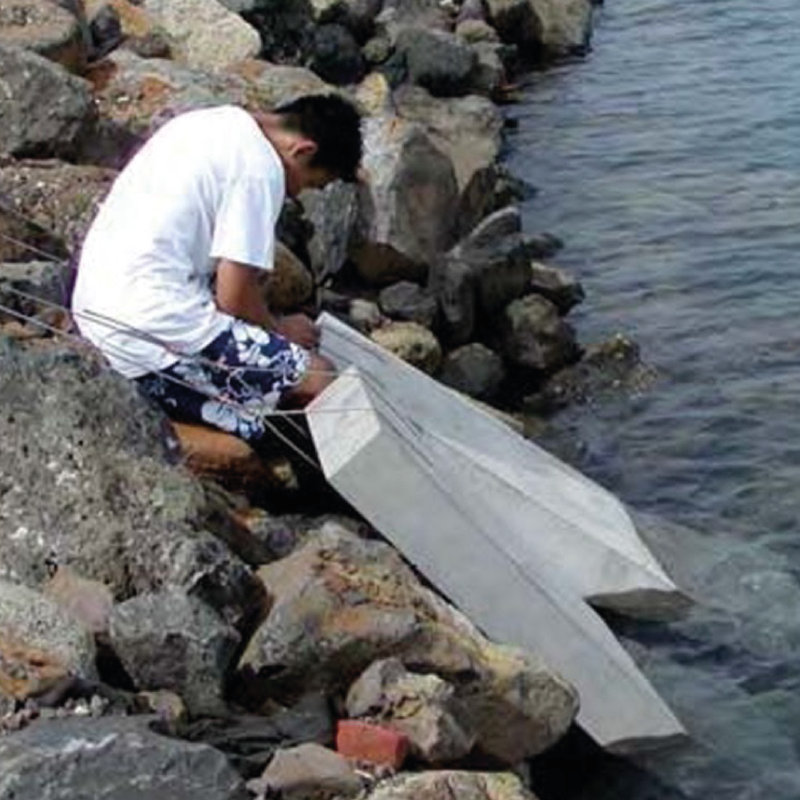
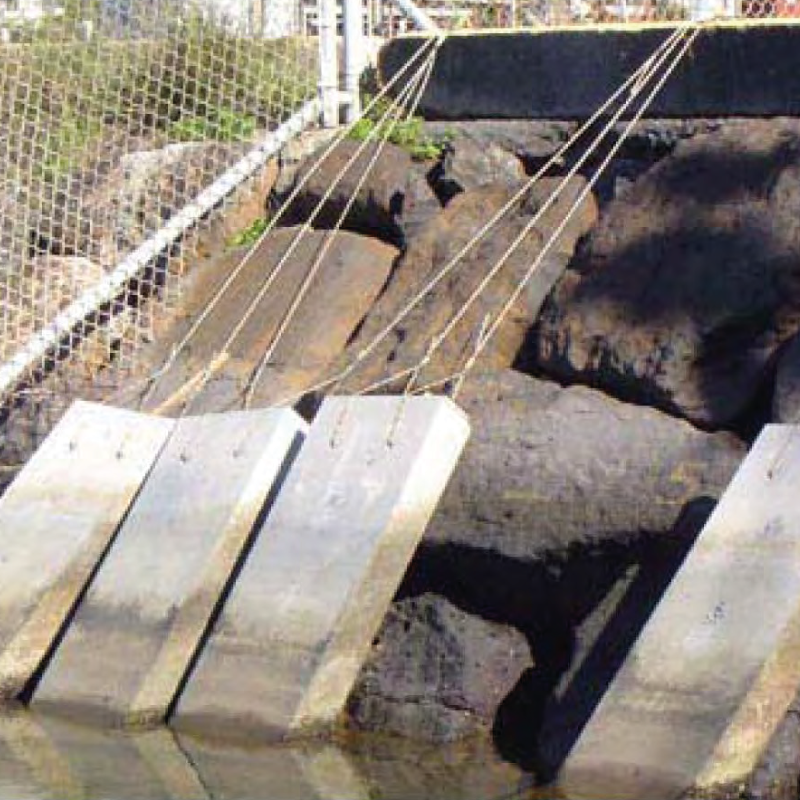
Reinforced concrete panels were exposed to a tidal zone in the Pacific Ocean and resistance to corrosion was evaluated over 10 years.
Kryton performed well over a 10 year period and was recommended by the University of Hawaii to be used in order to reduce corrosion in marine environment.
Results after the 10-years period
Control element
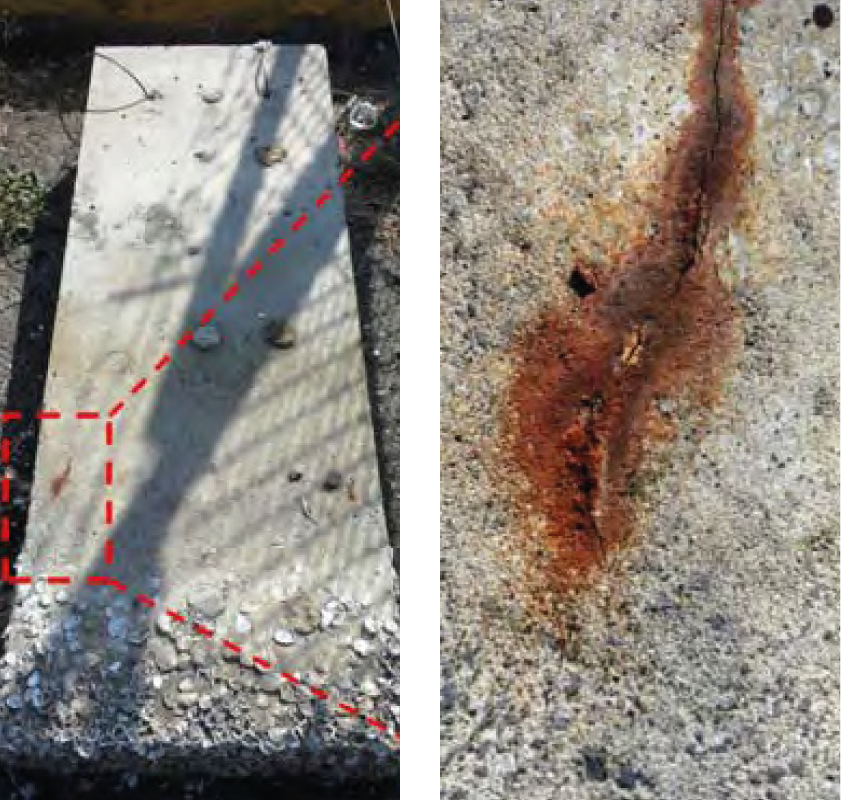
Anticorrosion admixture
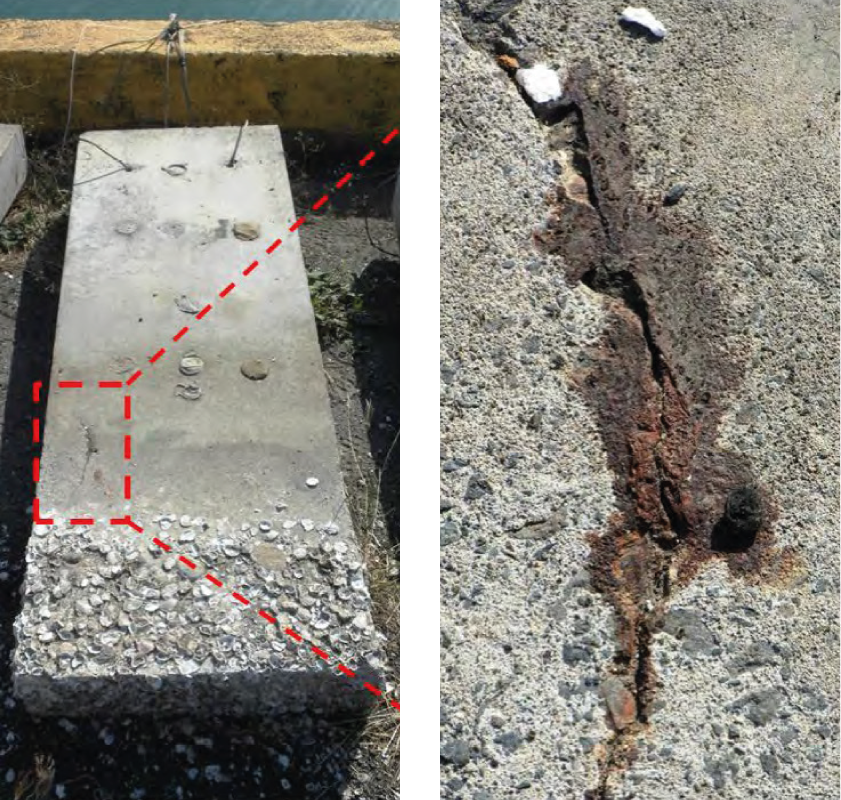
Hydrophobic PRAN admixture
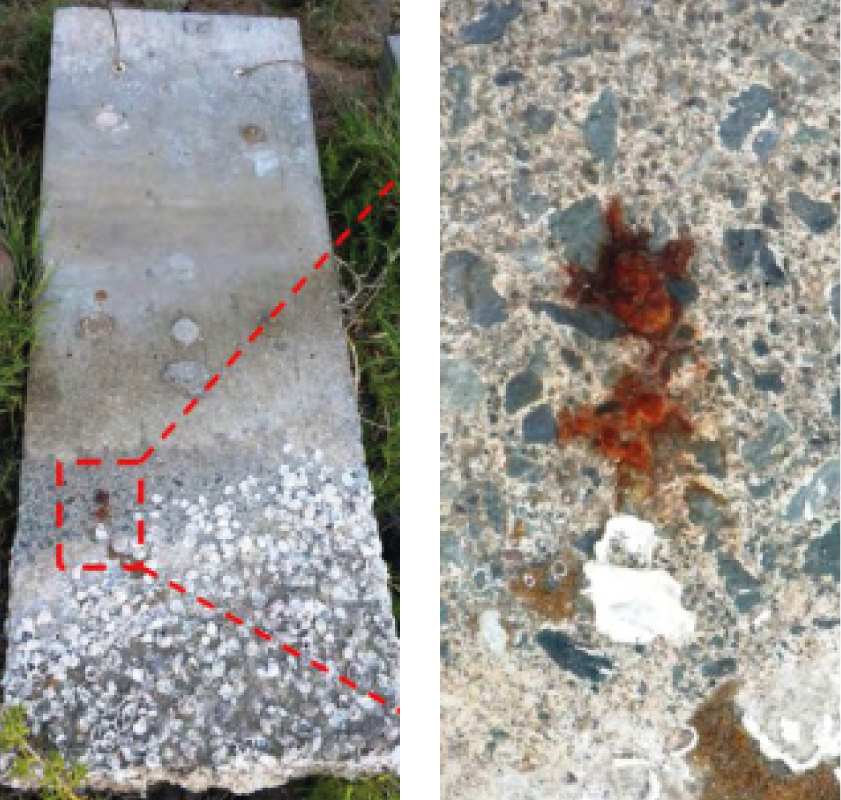
KRYTON admixture